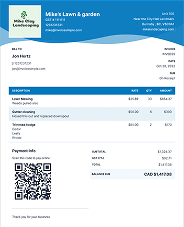
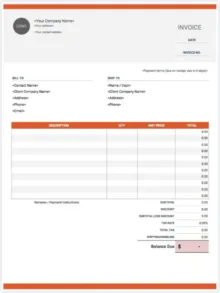


These templates all have separate labor and materials sections and print well. For more templates, refer to our main page here. You can also check out our online invoice generator for an easy way to create an invoice for your projects that will look fantastic.

Consignment Invoice Templates
Here’s our collection of consignment invoice templates. Feel free to download, modify, and use any you like.

Downloadable Free Consignment Invoice Templates

Create your first invoice free with our Online Invoice Generator.

When should I use a consignment invoice template?
A consignment invoice template is valuable for businesses managing consigned goods:
- Tracking Sales: Document sales for consigned items, ensuring clear payment records for consignors.
- Transparency: Provide consignors with itemized sales records to maintain trust and accountability.
- Efficient Record-Keeping: Templates streamline record management, making it easier to reconcile sales and payouts.
Using a consignment invoice template clarifies billing and payment processes, fostering clear communication with consignors.

How do I create a consignment invoice template?
Need to create a consignment invoice template? We’re here to help!
Try our online invoice generator.
This tool lets you build a consignment invoice that includes item details, sales percentages, and payout information. With automatic calculations, it provides an organized, professional invoice for consignors and buyers.

A consignment invoice details the goods sent on consignment, listing product descriptions, quantities, and values. It formalizes terms between consignor and consignee for record-keeping and payment purposes.
Include consignor and consignee details, product descriptions, quantities, prices, and terms. Add a consignment-specific reference number and payment terms.
Specify when payments are due, commonly after the consignee sells the goods, and outline any commissions or fees deducted before payment.
Use item codes or descriptions specific to each consignment. Keeping reference numbers unique for each batch improves tracking.
Key fields include consignor and consignee details, product descriptions, item quantities, prices, consignment reference number, and terms regarding unsold items.
Not finding what you're looking for?